Reference · Needham
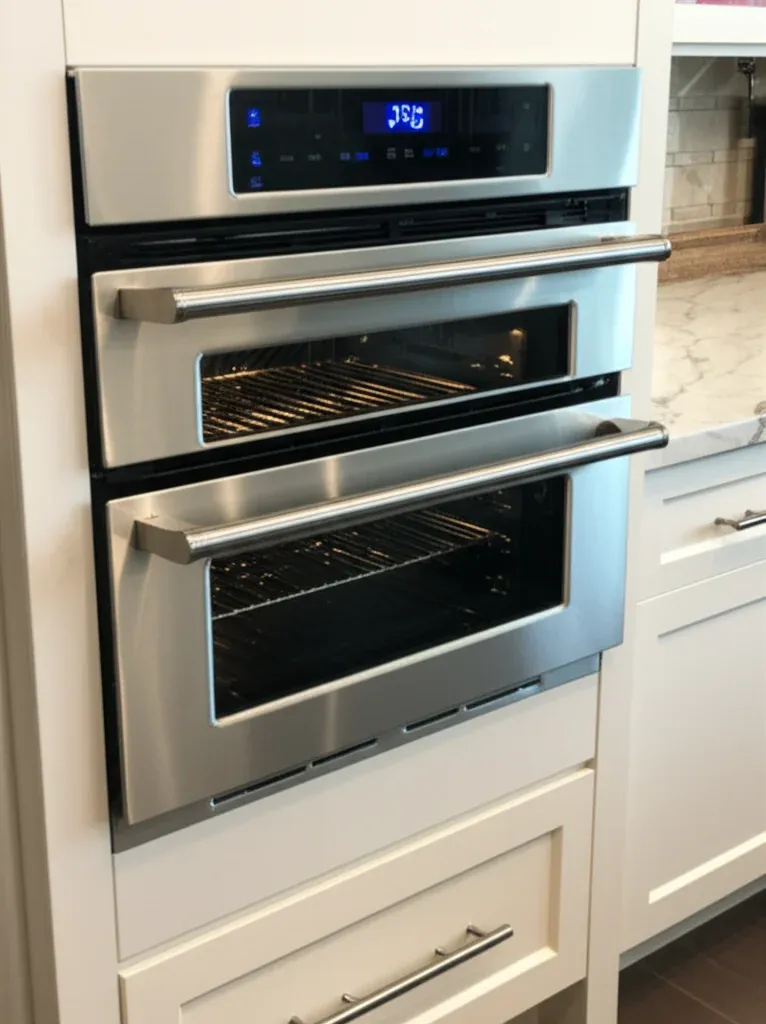
A Wolf oven that will not heat, or will not hold heat
Two entirely different faults get reported with the same sentence, and separating them takes one question: does the oven fail to heat at all, or does it heat and then miss the temperature?
01
It does not heat at all
On a gas oven the classic cause is an igniter that still glows. A glow-bar igniter is wired in series with the safety valve, and the valve opens on current, not on light. As the element ages its resistance rises, current falls, and eventually it draws too little to open the valve while looking perfectly healthy through the vent. Anyone who tells you the igniter is fine because it is glowing has not measured it.
On an electric or dual-fuel cavity the equivalents are a bake or broil element that has gone open circuit, a tripped thermal cut-out after a self-clean cycle, or a control relay that is no longer closing. Those separate quickly with a meter, and they separate not at all by guesswork.
02
It heats, but the temperature is wrong
This is the more interesting fault, and the first thing to establish is what "wrong" means. Every thermostatically controlled oven cycles around its set point; a swing of some tens of degrees either side of the target is the design, not a defect. A genuine fault is a consistent offset — the oven settles reliably low or reliably high — or a swing so wide that baking is affected.
A consistent offset usually comes back to the temperature sensor, a resistance probe whose value the control reads as degrees. When it drifts, the oven cheerfully holds the wrong temperature and reports the right one. The other frequent culprit on a Wolf is mechanical: hinge springs that have weakened let the door sit fractionally proud, and a cavity leaking heat at the top edge browns unevenly and takes far too long to preheat.
Before suspecting anything, leave an oven thermometer on the centre of the middle shelf through three full cycles at the same set point. That single test tells a technician more than the complaint does.
03
Things that are not faults
- A cooling fan that keeps running after the oven is switched off — it is meant to, sometimes for a long while
- A new oven that smells and smokes for its first hours of use
- Condensation on the inside of the door glass during a wet roast
- A convection cavity browning faster than the same recipe did in an older oven — the fan changes the timing, not the thermostat
What we take on
Said plainly, before you call.
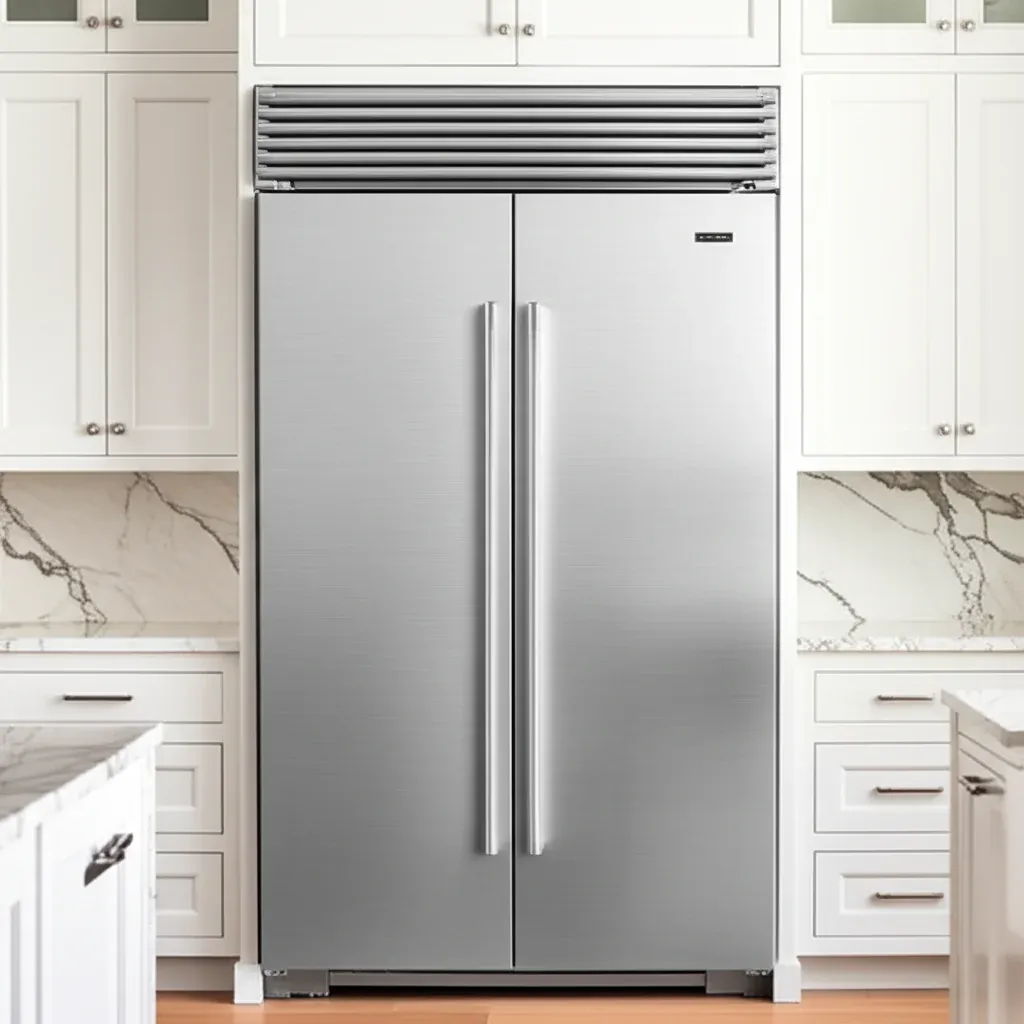
This shop repairs Sub-Zero built-in refrigeration. Cooking appliances are not on the list — no ranges, no ovens, no rangetops — and a Wolf oven in a Needham kitchen is not something we will come out to. The page above is what we can honestly give you instead. If the refrigeration in the same room is a Sub-Zero, that call is one we can take today.
Booking
Describe the fault. Get the figure before anything opens.
A flat $95 covers the visit and the diagnosis, and comes off the bill when you approve the repair. Visits run 8:00 am – 8:00 pm, seven days; the line is answered 24/7.