Reference · Wolf
Wolf equipment, and the way it actually fails
Wolf builds cooking appliances, and cooking appliances fail along a short and predictable list — gas delivery, ignition, the temperature sensor, the door, and the control that ties them together.
01
Burners and the spark circuit
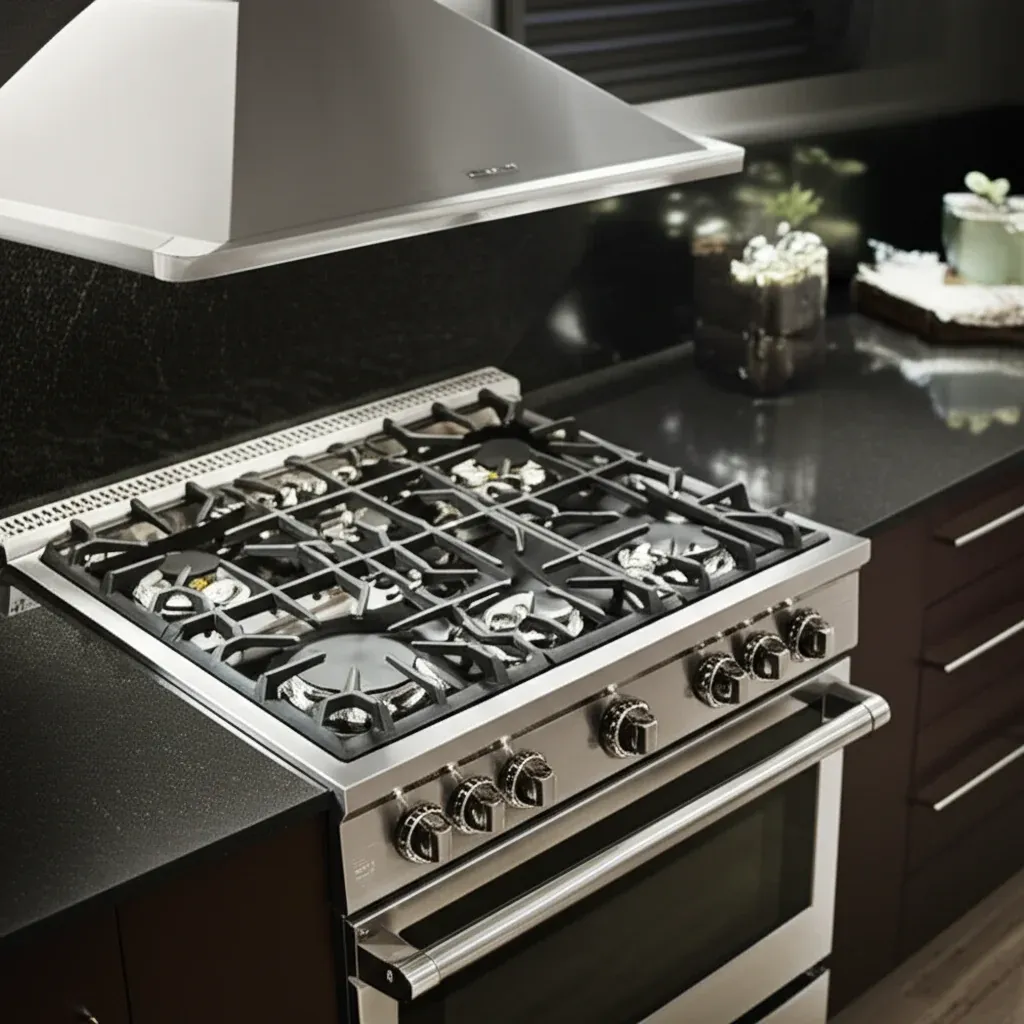
The dual-stacked sealed burner is Wolf's signature on the rangetop, and it is mechanically simple: a head, a cap, ports, an electrode and a valve. What makes it feel complicated is that one spark module serves every burner, so a fault at one electrode presents as the whole cooktop clicking. Moisture after a boil-over is the usual cause and it dries out; a cracked ceramic on one electrode does not, and it is found by elimination.
A burner that lights but will not simmer is nearly always ports, cap seating or a valve adjustment rather than anything electrical. A burner with a lazy yellow flame is a different matter and the appliance should be left alone until somebody gas-qualified has looked at it.
02
Ovens: the igniter that glows and does nothing
The most misread fault on any gas oven, Wolf included, is the ageing glow-bar igniter. It sits in series with the safety valve and the valve opens on current draw. An old igniter still glows brightly while drawing too little to open the valve, so the oven appears alive and never heats. It is measured, not inspected.
Where the oven does heat, the two remaining suspects are the temperature sensor and the door. A drifted resistance probe holds the cavity confidently at the wrong temperature. Weakened hinge springs let the door sit fractionally open at the top, which shows up as slow preheats and uneven browning long before anyone notices a gap. And after a self-clean cycle, a thermal cut-out or a latch motor that was already tired often gives up.
A cooling fan that runs on for a long time after the oven is off is normal behaviour on this equipment, not a fault. So is a strong smell during the first few hours of a new appliance's life.
03
Controls and panels
Older units with touch-membrane panels wear at the panel rather than the board, and the symptom is specific: some keys respond, others do not, or the display behaves oddly while the appliance still cooks. A board fault more often takes out a whole function cleanly. Telling those apart before ordering anything saves a genuinely expensive mistake, because on this equipment the board and the panel are separate parts at very different prices.
04
Why a Sub-Zero shop has a page about Wolf
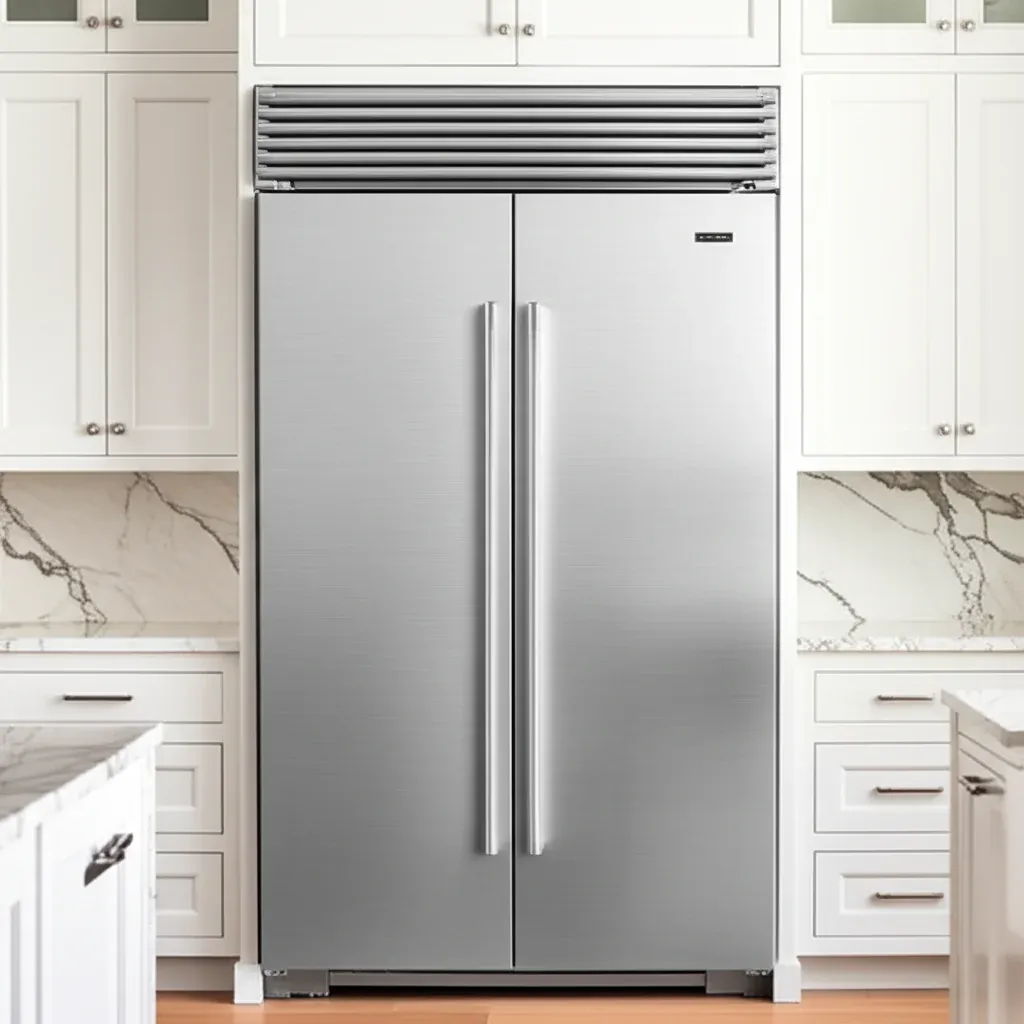
Because the two arrive together. Wolf and Sub-Zero belong to the same parent company and are specified as a pair in most kitchens that carry either, so a house with a Wolf range almost always has Sub-Zero refrigeration a few feet away. People searching for one very often need the other.
What we can do for the cooking side is give you an accurate picture of the fault so that you are not at the mercy of whoever answers the phone first. What we can do for the cold side is come and fix it.
What we take on
Said plainly, before you call.
Sub-Zero built-in refrigeration, ice and wine storage. That is the entire list, and Wolf cooking equipment is not on it — no ranges, no rangetops, no ovens, no warming drawers. This page is a reference, written by people who see these kitchens constantly, and it is offered as exactly that. The refrigeration in the same room is work we will happily book.
Booking
Describe the fault. Get the figure before anything opens.
A flat $95 covers the visit and the diagnosis, and comes off the bill when you approve the repair. Visits run 8:00 am – 8:00 pm, seven days; the line is answered 24/7.